
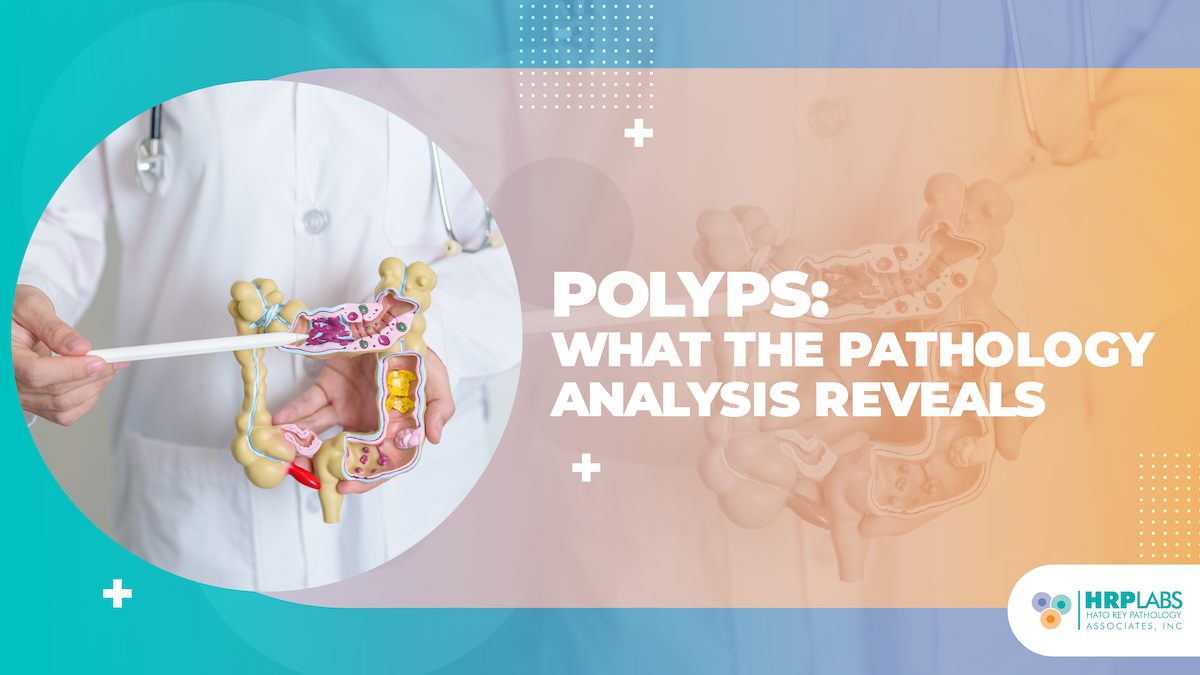
During a colonoscopy, it is common for gastroenterologists to identify and remove polyps to send them for analysis. This may cause concern, but in most cases, there is no reason to be alarmed.
A polyp is a small growth that forms on the inner lining of the colon or rectum. Many polyps are benign, and even when some require closer surveillance, pathological study is the key step in understanding what that finding means in your case.
During this Colorectal Cancer Awareness Month, we explain what happens to the polyp after the colonoscopy and why that process is so important.
What types of polyps exist?
There are several types, and their classification is confirmed through tissue analysis:
- Hyperplastic polyps: these tend to be the most common and, in most cases, benign. They often only require the routine follow-up recommended by your gastroenterologist.
- Adenomatous polyps (adenomas): these warrant greater attention because, over time, they could develop cellular changes.
- When the pathologist observes changes in the cells, the term “dysplasia” may be used.
- Low-grade dysplasia: mild alterations.
- High-grade dysplasia: more marked changes that may approach a precancerous state.
- Sessile serrated lesions: these tend to grow flat against the colon wall, which can make them more difficult to detect during a colonoscopy.
- Inflammatory polyps: seen more frequently in people with inflammatory bowel diseases, such as Crohn’s disease or ulcerative colitis.
What happens to the polyp after it is removed?
When the gastroenterologist removes a polyp, it is not discarded. The tissue is placed in a container with preservative solution and sent to the pathology laboratory for evaluation.
In general terms, the process includes:
- Reception and registration of the sample
- Tissue processing to prepare it adequately
- Microscopic examination by the pathologist
- Issuance of the pathology report with the findings
What does the pathologist evaluate in the laboratory?
Although each case is unique, the report usually includes elements such as:
- Type of polyp (classification)
- Presence or absence of dysplasia and its grade, if applicable
- Margin evaluation (to determine if the polyp was completely removed)
- Special stains when necessary, to observe tissue characteristics that are not always visible with conventional staining
What happens if the results show significant changes?
The vast majority of polyps turn out to be benign. However, in a smaller percentage of cases, the analysis may identify more significant changes or even cancerous cells.
When more details are needed, the laboratory can perform complementary studies that help your medical team better understand the findings, for example:
- Markers (depending on the case)
- Genetic tests to evaluate whether a hereditary component may exist
- Molecular analyses that can provide useful information for clinical decisions
Most importantly: these results do not replace medical guidance. They are tools that help the specialist design the most appropriate plan for each patient.
Frequently Asked Questions
If a polyp was found, does that mean I have cancer?
Not necessarily. Finding polyps during a colonoscopy is relatively common, and the majority turn out to be benign. The pathology result is what confirms what type of polyp it is and whether there are cellular changes.
How often should I repeat the colonoscopy?
It depends on the findings, your history, and your gastroenterologist’s judgment. Generally speaking, if no polyps were found, it is often recommended to repeat it after 10 years. If adenomas are identified, the interval may be reduced, commonly to 3–5 years, depending on the case.
What does “dysplasia” mean on the pathology report?
Dysplasia describes changes in the appearance of cells observed under the microscope.
- Low grade: mild changes.
- High grade: more marked changes.
Your doctor will explain what that finding means for you and what follow-up is recommended.
Colorectal cancer is one of the leading causes of cancer death in Puerto Rico, and the detection and removal of polyps during colonoscopy are one of the most effective forms of prevention. If your doctor recommended this study, try not to postpone it.
Once the pathologist evaluates the sample and issues the diagnosis, the result is sent to your doctor, who is the appropriate specialist to guide you regarding the meaning of the report and the next steps.
HRP Labs Can Help
At HRP Labs, we have pathologists specialized in gastrointestinal pathology and a laboratory equipped to perform gastrointestinal biopsies, special stains, margin evaluation, marker studies, complementary analyses, and second opinions. These studies provide key information for case management, but the final interpretation and follow-up recommendations should be discussed with your gastroenterologist or treating physician, based on your history and findings.